 Image 1 of 2
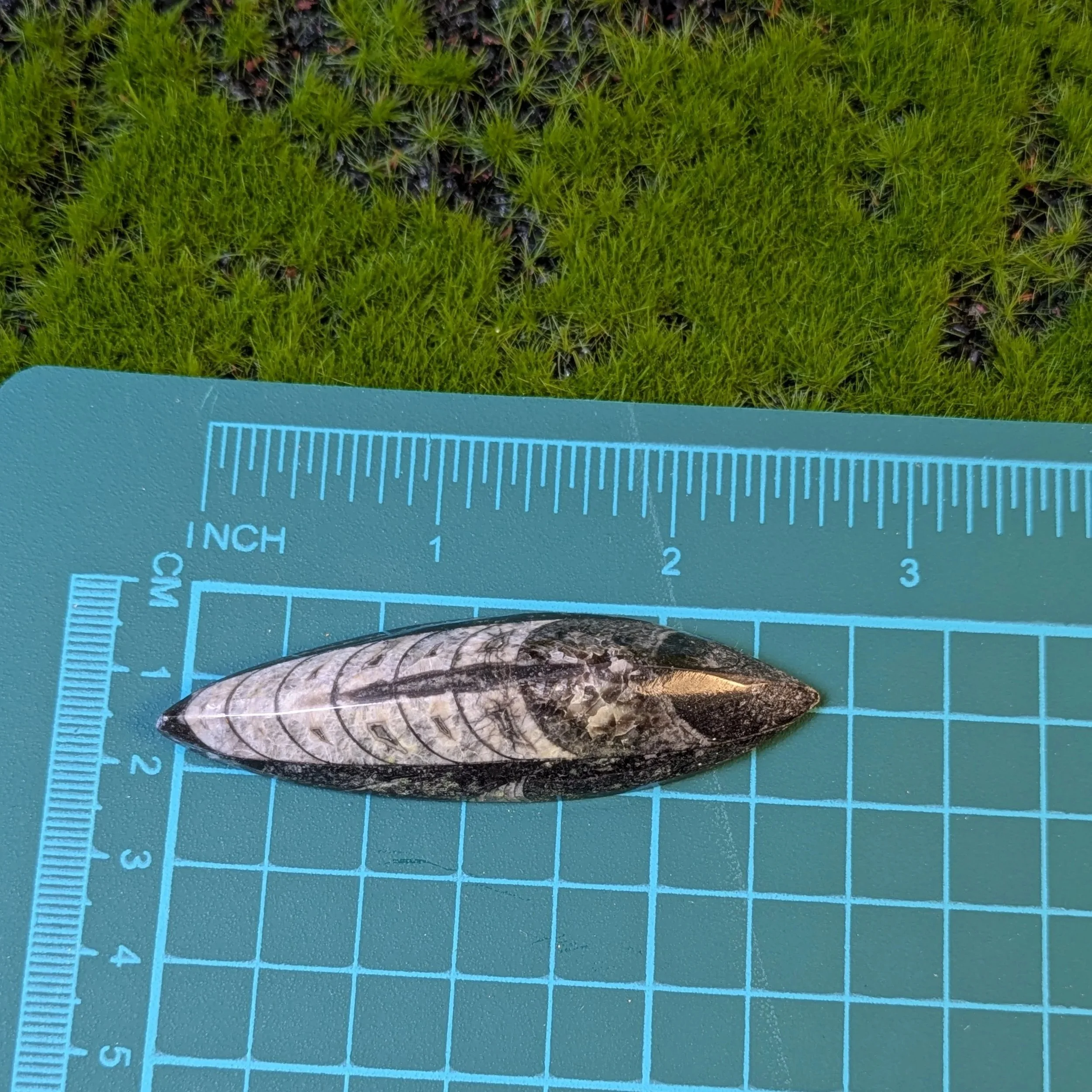 Image 2 of 2
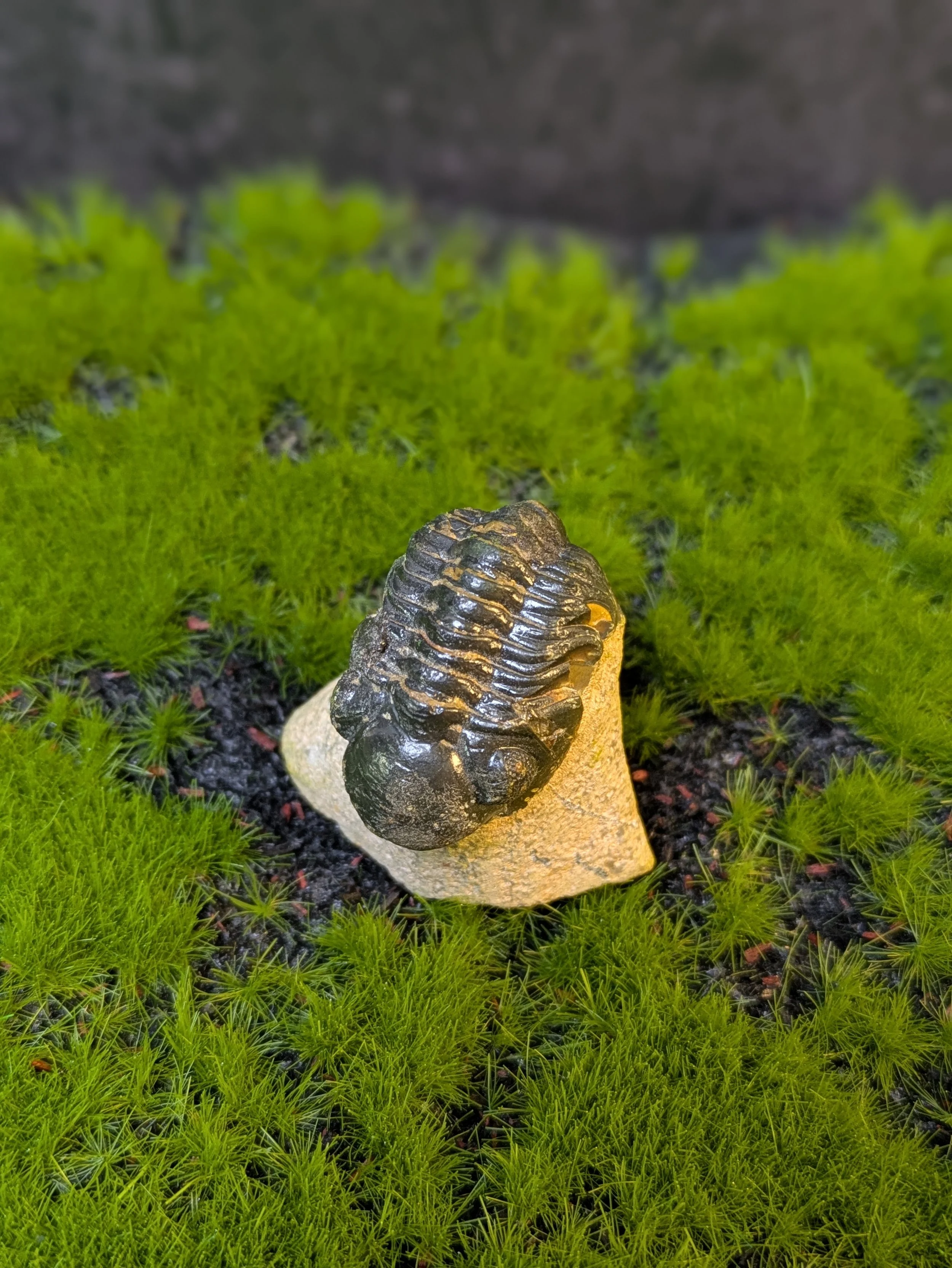
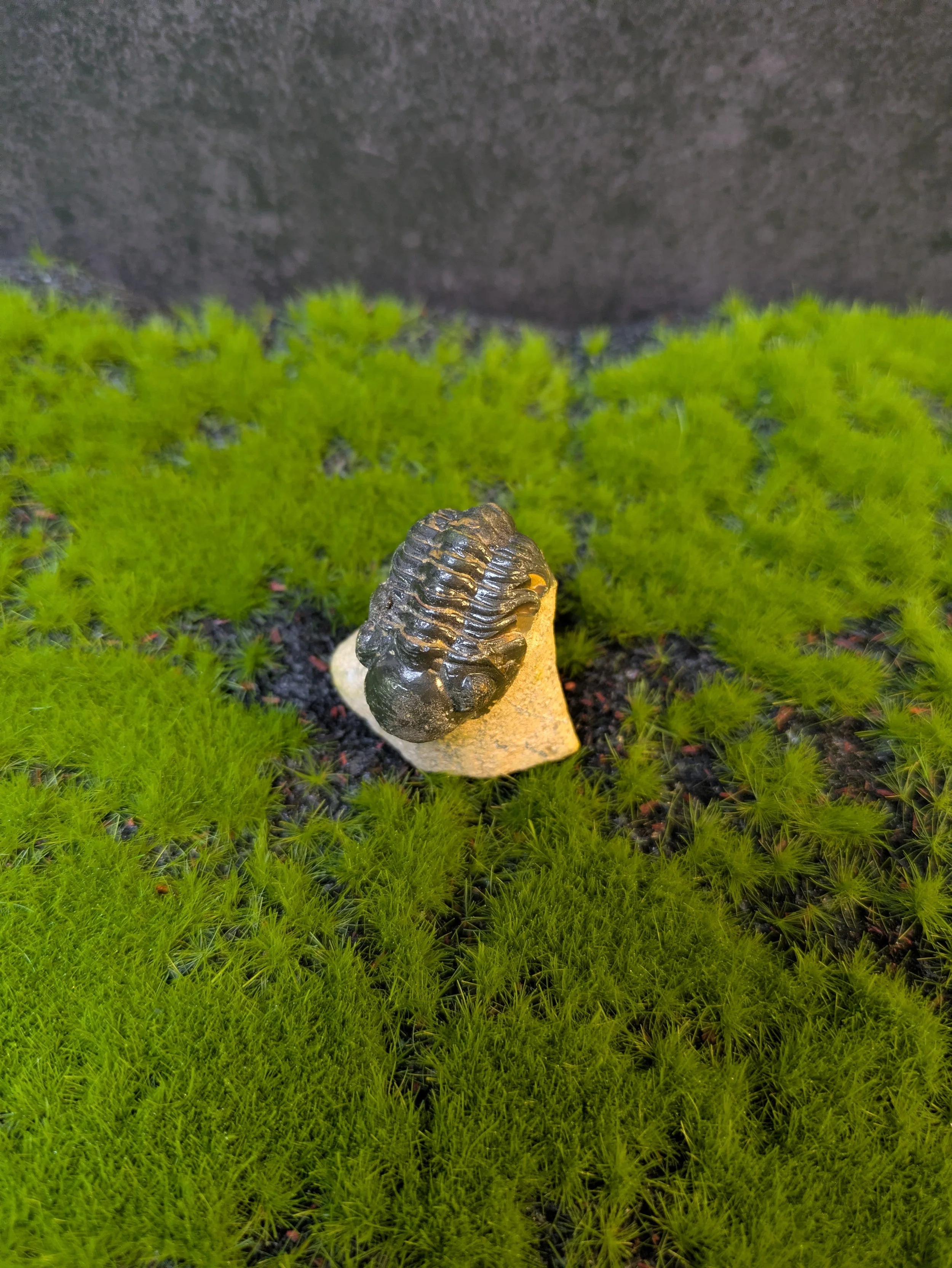
Travel back more than 400 million years and discover the fascinating world of ancient oceans with a genuine fossilized Orthoceras!
Orthoceras were ancient marine cephalopods related to modern-day squids, octopuses, and nautiluses. Their long, straight shells make these fossils especially distinctive and popular with collectors.
With its striking natural patterns and unique shape, an Orthoceras fossil makes a beautiful addition to any collection and a fascinating conversation piece.
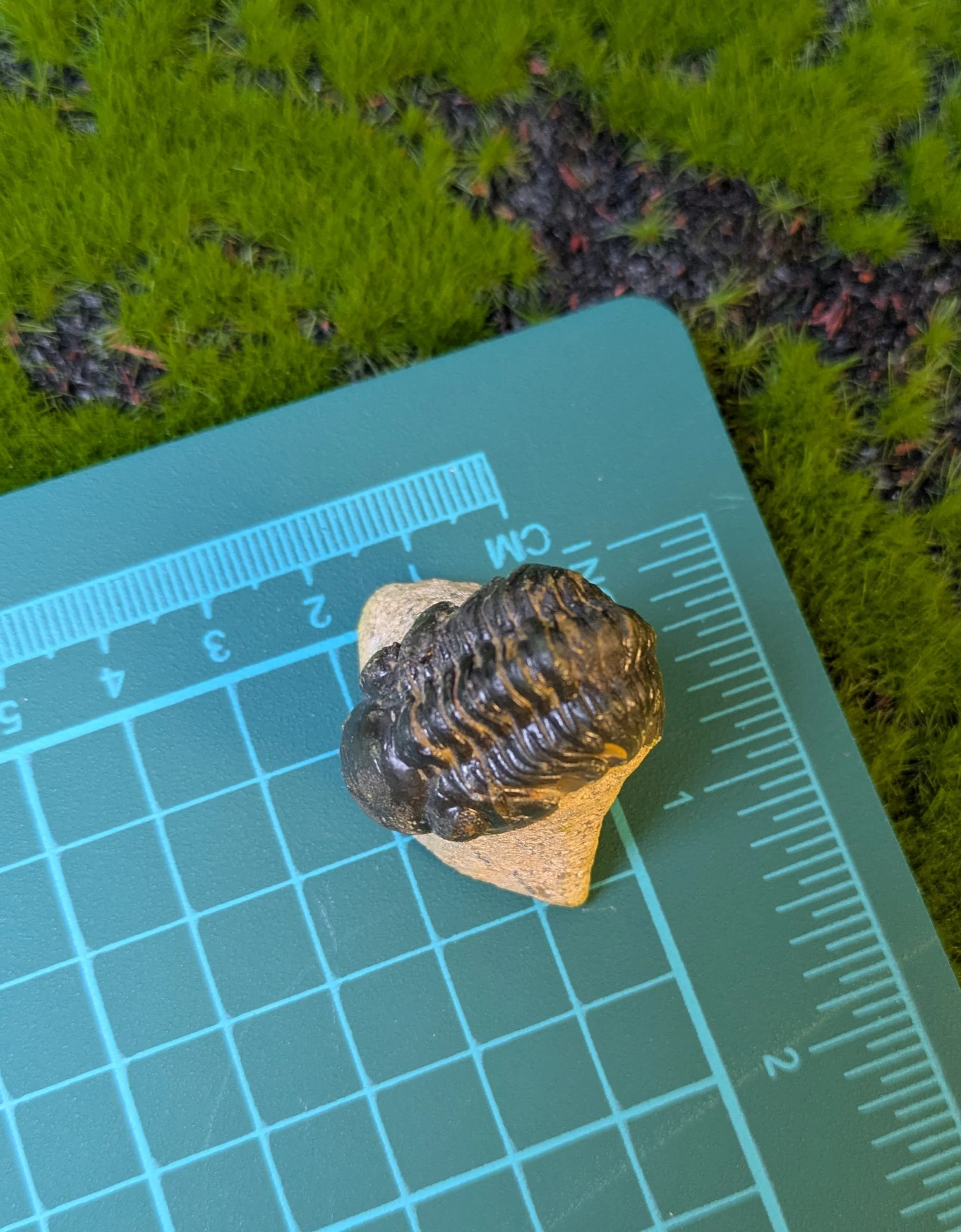
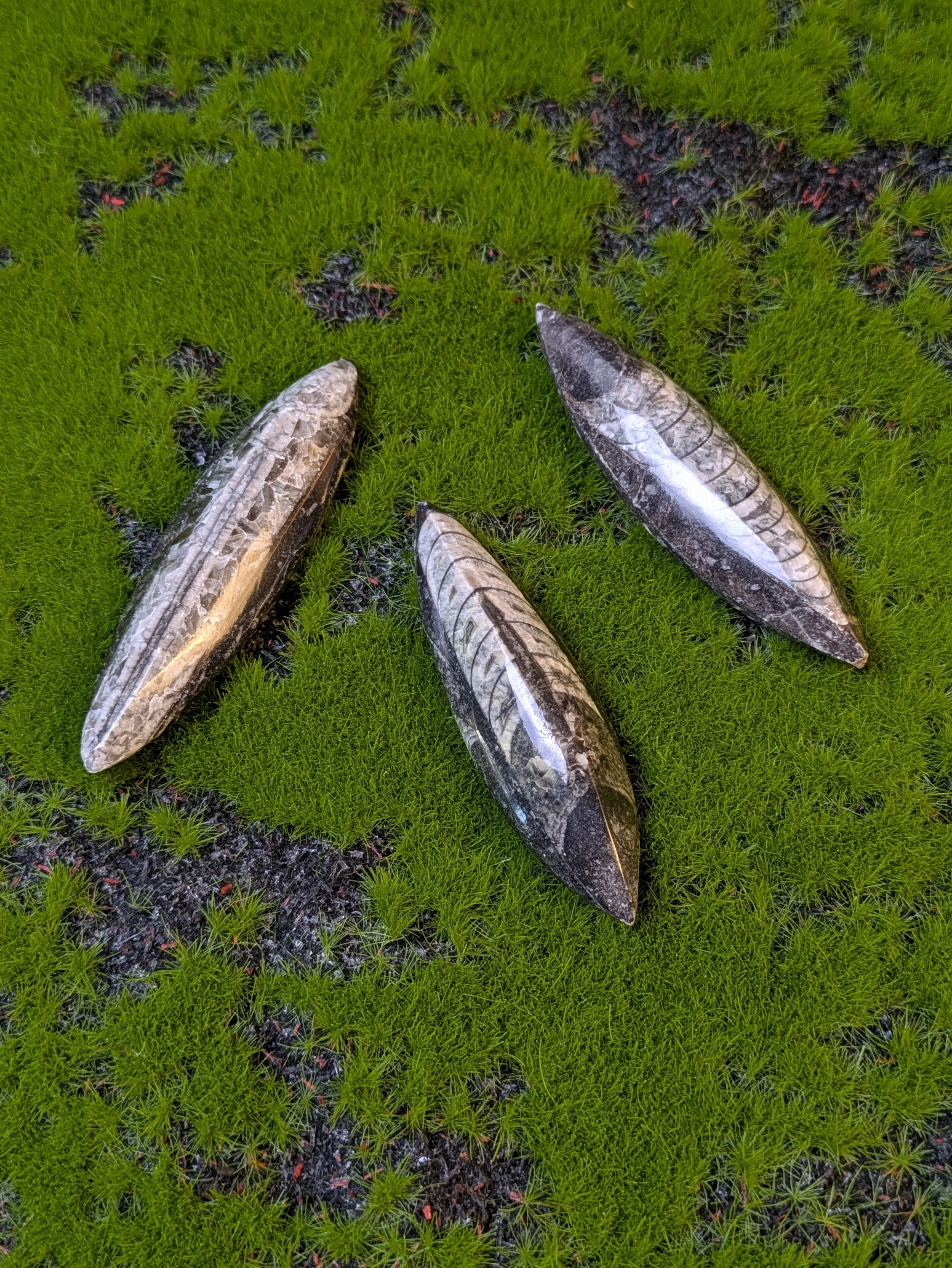
Each piece is about 2-3 inches long and unique in colour and shape.
Fossils are natural specimens, so size, shape, colour, and condition will vary from piece to piece.
Most fossil specimens come with an identification card that provides information about where the fossil was found, along with a brief description of the species it belongs to.
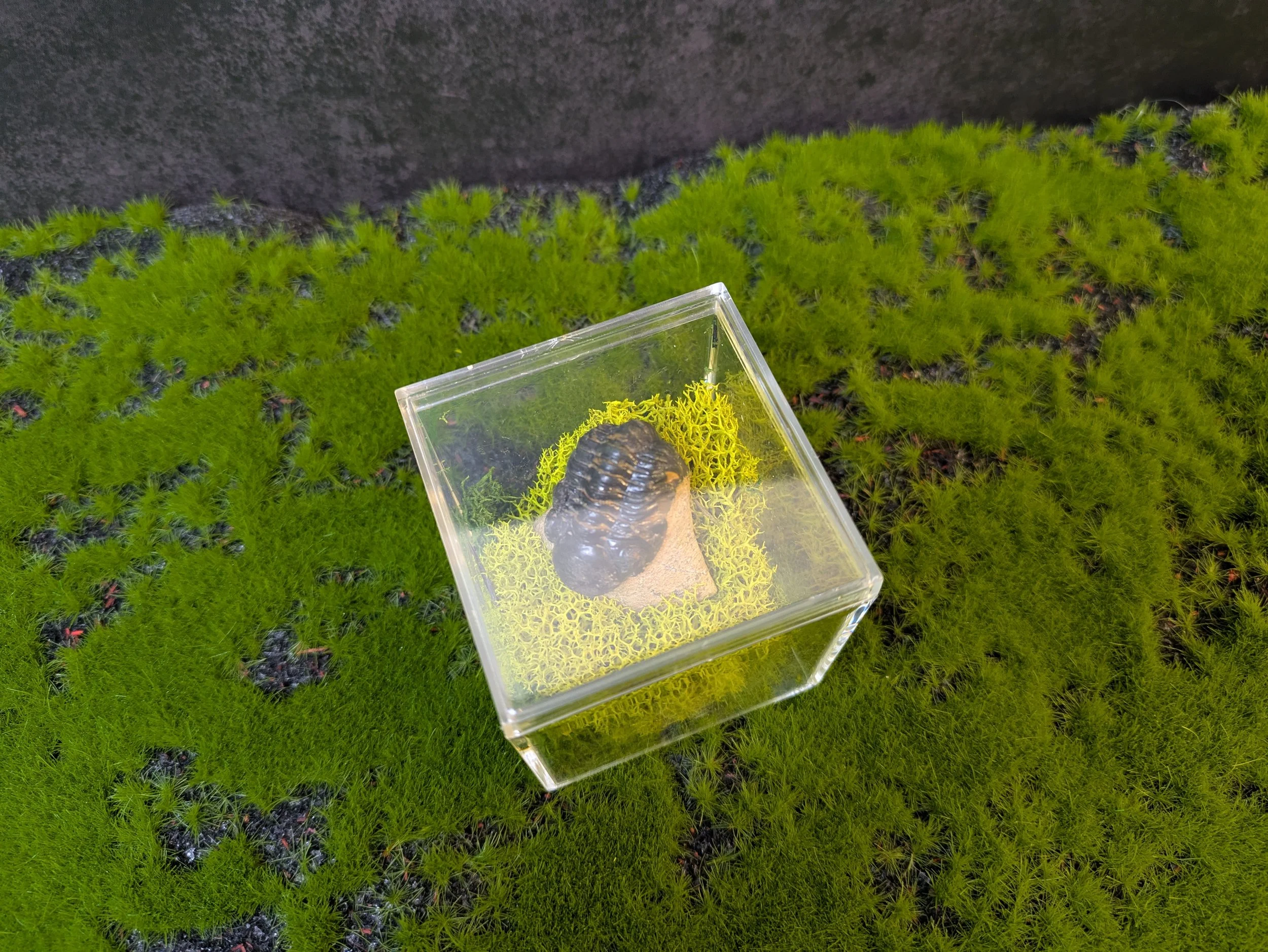
Please note: We cannot guarantee that you will receive the exact specimen shown in the photos. Fossils are randomly selected for each order, so every specimen will be unique.
Travel back more than 400 million years and discover the fascinating world of ancient oceans with a genuine fossilized Orthoceras!
Orthoceras were ancient marine cephalopods related to modern-day squids, octopuses, and nautiluses. Their long, straight shells make these fossils especially distinctive and popular with collectors.
With its striking natural patterns and unique shape, an Orthoceras fossil makes a beautiful addition to any collection and a fascinating conversation piece.
Each piece is about 2-3 inches long and unique in colour and shape.
Fossils are natural specimens, so size, shape, colour, and condition will vary from piece to piece.
Most fossil specimens come with an identification card that provides information about where the fossil was found, along with a brief description of the species it belongs to.
Please note: We cannot guarantee that you will receive the exact specimen shown in the photos. Fossils are randomly selected for each order, so every specimen will be unique.